


NCAA youth soccer is entering a new stage following an important rule change for young players considering a move into the professional game in the United States. Starting in 2026, certain players can work with an agent before their first full-time college enrollment under the new Division I framework.
As this regulatory framework continues to develop, athletes, agents, families, and other stakeholders should stay alert to further updates and clarifications. The NCAA has stated that its Division I eligibility rules remain under review and that additional changes may continue to be considered.
Until recently, exploring a professional opportunity with representation could put the college pathway at risk. This situation forced many young players and their families to make an important decision at an early stage: pursue professional soccer or preserve their eligibility to compete in the NCAA.
What Changed in the NCAA Rules?
In April 2026, NCAA Division I changed its rules for athletes who have not yet started college.
Under the new rules, prospective student-athletes who first enroll full-time at a college or university on or after August 1, 2026, may have professional representation before that enrollment under the conditions established by the NCAA.
An agent can represent a player to promote their athletic ability or reputation and pursue opportunities in professional soccer on their behalf.
In practice, the current framework gives a young player greater flexibility to evaluate interest from a professional club with professional guidance while also considering the college pathway.
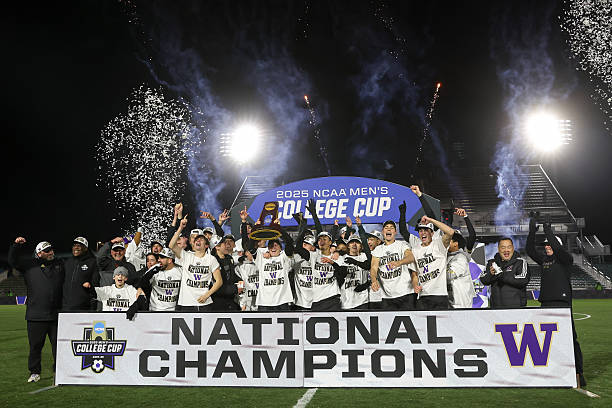
However, NCAA eligibility depends on multiple rules and on each player’s individual circumstances. The NCAA continues to review and update its eligibility framework, so players and families should always verify the regulations in effect at the time a decision is made.
Soccer Agents: State Licensing and NCAA Eligibility
The rule change does not mean that anyone can represent soccer players. The NCAA establishes the eligibility rules for college sports, while individual states may set their own legal requirements for working as an athlete agent.
In Florida, for example, anyone performing activities that fall within the state’s definition of an athlete agent must obtain the appropriate license from the Department of Business and Professional Regulation. The process includes an application, the required fees, and a background check through fingerprinting.
That license allows an agent to operate within Florida’s regulatory framework, while a player’s NCAA eligibility is governed separately by NCAA rules. An agent therefore needs to consider both regulatory frameworks.
What Do the New Rules Mean for NCAA Youth Soccer?
The new rules are particularly relevant to NCAA youth soccer in the United States because many players receive opportunities from academies, MLS clubs, other domestic leagues, or clubs abroad before beginning college.
Under the current Division I framework, players may have greater flexibility to work with an agent during this stage and evaluate their athletic and educational options with more information. The rule applies to professional representation before the player’s first full-time college enrollment and is subject to the NCAA regulations in effect at the time.
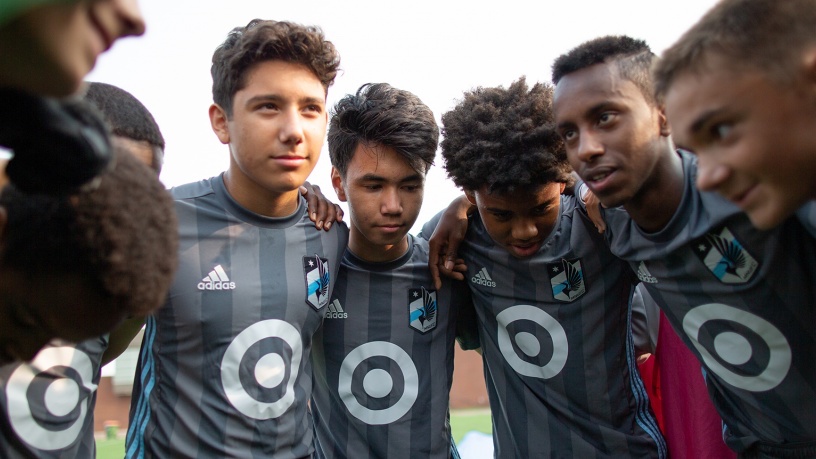
Having an agent also does not automatically make a player a professional. NCAA rules regarding contracts, payments, participation with professional teams, and other eligibility matters continue to apply separately.
For young players navigating NCAA youth soccer, the change creates greater flexibility to explore professional opportunities while considering the college pathway. At the same time, it increases the importance of professional guidance that considers the athletic, educational, and regulatory implications of each decision.
Because NCAA eligibility rules continue to evolve, every case should be reviewed according to the regulations in effect at that moment.
Sousa FA’s Perspective
The changes affecting NCAA youth soccer expand the opportunities available to young players in the United States while making career planning even more important.
A 17- or 18-year-old player may face very different paths: joining a professional project, continuing their development through college soccer, or even exploring an opportunity in another market. Being able to evaluate those alternatives with professional guidance allows players and their families to make better-informed decisions with a long-term perspective.
The value of representation at this stage lies precisely there: understanding each opportunity within the broader context of the player’s career.
The sporting project, real development opportunities, education, career timing, and future pathways are all part of the same decision.
The new rules open more paths. The agent’s role is to help the player and their family understand them, compare them, and choose the one that best supports the player’s development.


