


.png)
A World Cup can shift where a player stands in the market in a matter of weeks. Not because his ability suddenly changes, but because he gets the chance to prove it in front of clubs, sporting directors, agents and millions of fans watching from everywhere.
The 2026 World Cup produced one of its most unusual stories in Vozinha, Cape Verde’s goalkeeper. He was 40 years old when he reached his country’s first-ever World Cup, capping off a long career spent mostly outside Europe’s big clubs.
He made himself known from the opening match. Cape Verde faced Spain, then the reigning European champions, who would later go on to win the World Cup, and secured a historic 0-0 draw. Vozinha was the standout of the game, making seven saves and earning FIFA’s Player of the Match award.
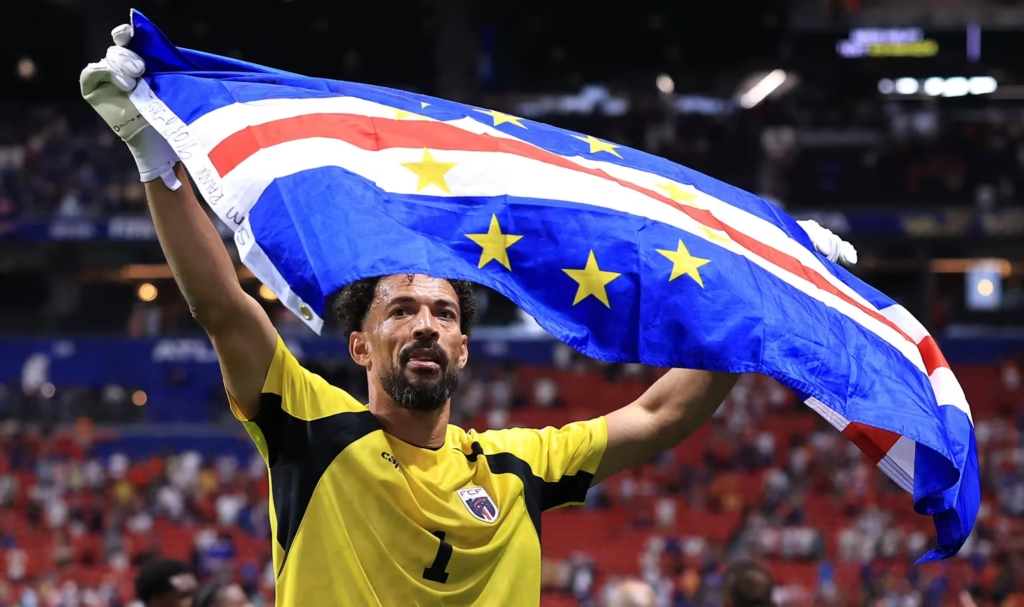
Everything changed in scale from there. Before the tournament he had around 56,000 followers on Instagram; by the time the World Cup ended, that number had passed 17 million. The performance came with a wave of attention on social media that made him known well beyond Cape Verde and Portugal.
Not long after came something that would have seemed unthinkable a few weeks earlier: Colo-Colo signed him. The goalkeeper joined the Chilean club right after his contract with Portugal’s Chaves ended, agreeing to a six-month deal with room to extend.
His story makes one thing clear, these opportunities aren’t reserved for young players. Vozinha reached his first World Cup at 40 and showed, on football’s biggest stage, that he could still compete at a level good enough to catch the interest of a historic South American club.
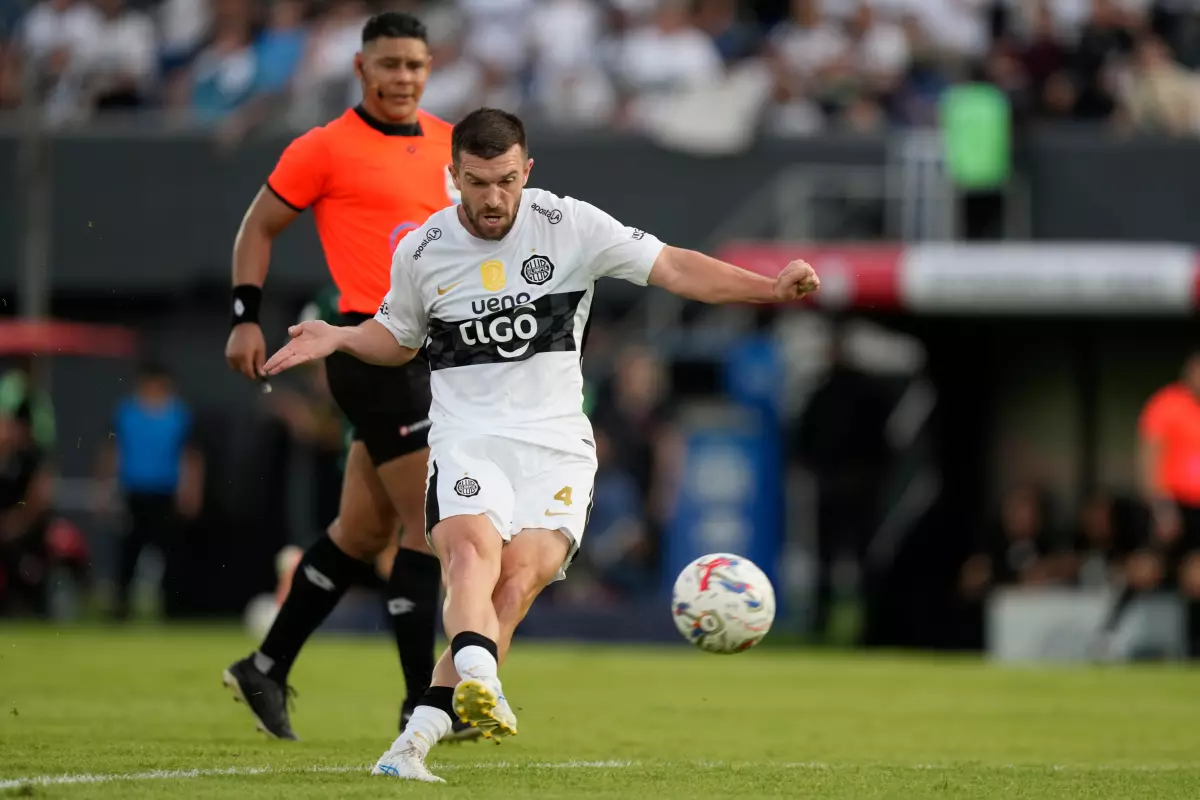
Tim Payne is a different kind of example. The New Zealand defender arrived at the tournament with barely any international profile and left as one of the players who generated the most buzz online. In the middle of that surge, Olimpia of Paraguay announced his signing from Wellington Phoenix.
His case says something about how much football has changed. Performance still matters most, but the visibility a player gains during a tournament like this can boost his profile, his market value and interest from places that might never have looked his way before.
There are more familiar examples too. At Brazil 2014, James Rodríguez arrived as a Monaco player and left as one of the faces of the tournament. Colombia reached the quarterfinals for the first time, James scored six goals, won the Golden Boot, and a few weeks later he was signing for Real Madrid.
At that same World Cup, Keylor Navas was one of Costa Rica’s standout players as the team got past Uruguay, Italy and England in the group stage and reached the quarterfinals, still the country’s best World Cup run. The goalkeeper, who’d already been playing well at Levante, used the tournament to confirm it, and he too made the move to Real Madrid shortly after.
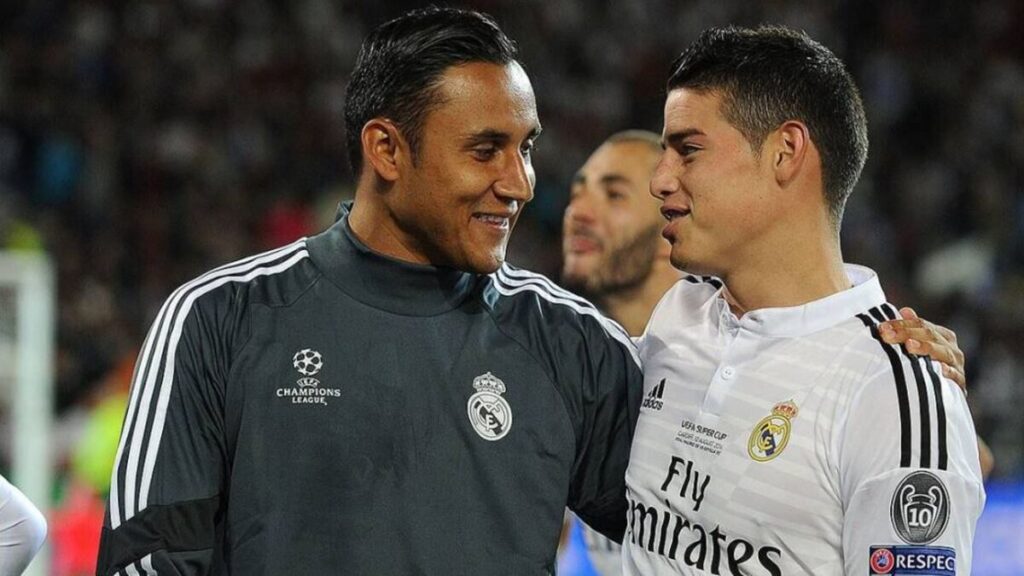
James, Keylor, Payne and Vozinha come from completely different stories, but each one made the most of a moment when the whole football world was watching. For some it opened the door to a giant club; for others, a new market or a level of recognition they’d never had before.
The Agency Perspective
World Cups do not make a player better overnight. What they do provide is football’s biggest stage, a unique environment where performances are exposed to the highest level of competition and the attention of clubs, sporting directors, agents and millions of fans around the world.
In many cases, scouting departments are already familiar with these players. They may have been monitoring them for months or even years. However, seeing a player perform under the pressure of a World Cup, against top-level opposition, offers a level of validation that is difficult to replicate in any other competition.
It is also important to understand that a strong World Cup alone is rarely enough to justify a transfer. Clubs look for consistency over time, but an outstanding tournament can become the deciding factor when choosing between similar profiles or when a player needs greater international exposure.
From an agent’s perspective, tournaments like the World Cup also reshape the transfer market. A player who was previously attracting interest from only a handful of clubs can suddenly become a target in entirely different markets. That requires acting quickly, but also strategically, recognizing that the best career decision is not always the first opportunity that arises.
The stories of James Rodríguez, Keylor Navas, and more recently Vozinha and Tim Payne, demonstrate that the true value of a World Cup is not simply the exposure it provides, but being fully prepared to take advantage of that opportunity when the entire football world is watching.


