


The Premier League and the EFL Championship share the same pyramid, but financially they’re two different worlds. England’s top flight has expanded its ability to shop for players anywhere on the planet, while second-tier clubs keep pouring most of their resources into chasing a promotion that could change everything for them.
The gap isn’t new, but it’s grown a lot over the last decade. In 2014/15, Premier League clubs brought in a combined £3.3 billion, compared to £548 million for the Championship. Ten years later, in 2024/25, those numbers climbed to £6.8 billion and £942 million.
The Premier League, in other words, more than doubled its revenue. The Championship grew too, just at a much slower pace. A decade ago, the top flight was generating roughly six times more than the second tier; today that gap has passed seven times.
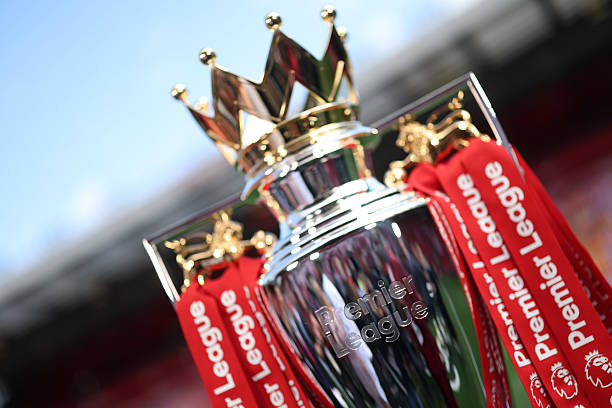
Broadcast rights explain a big chunk of that distance, they brought in £3.4 billion for the Premier League in 2024/25 alone. On top of that, commercial growth and rising matchday revenue kept pushing the numbers up. Projections have the league crossing £7 billion in annual revenue for the first time in 2025/26.
A growing ability to spend
That growth shows up clearly in the transfer market. In the summer of 2016, Premier League clubs spent over £1 billion on signings for the first time. Nine years later, in the 2025 window, they spent a record £3 billion.
That figure alone made up 51% of everything spent across Europe’s top five leagues. The Premier League didn’t just outspend every other league individually, it outspent LaLiga, Serie A, the Bundesliga and Ligue 1 combined.

The Championship operated on a completely different scale. Its clubs spent £240 million in that same window and brought in £355 million from player sales. The Premier League closed with a massive net spend; the Championship, on the other hand, had to sell more than it bought.
The Championship’s biggest financial risk, though, isn’t really the transfer market, it’s wages. In 2024/25, its clubs spent £903 million on salaries, 96% of their total revenue. The Premier League’s wage bill hit a record £4.4 billion, but that only amounted to 65% of its revenue.
What’s striking is how little this has changed in ten years. Back in 2014/15, the Championship was already spending 99% of its revenue on wages. The league brings in far more money now than it did then, but costs have risen just as fast, and the chase for promotion keeps pushing clubs to spend right at, or past, what they can actually afford.
What promotion to the Premier League is worth
A club that goes up can expect to add at least £205 million in revenue over the following three seasons. If it manages to stay in the top flight for more than a year, that figure can reach £365 million.
That payoff shapes almost every decision clubs make. Spending on better players and higher wages can help push a club toward promotion, but if it doesn’t work out, that club is often left holding contracts it can’t really afford.
Then there are parachute payments, the money clubs receive for a period after being relegated from the Premier League. They soften the financial hit of the drop, but they also leave those clubs with spending power well above most of their new Championship rivals.
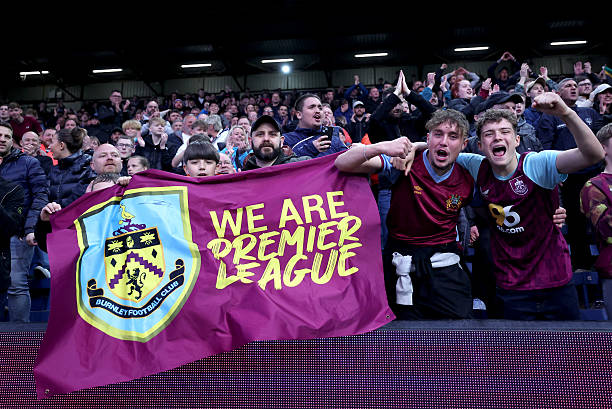
In the end, what separates these two competitions isn’t just the numbers. It comes down to what each one does with its money: the Premier League puts its revenue toward buying talent from anywhere in the world and holding onto its dominance, while the Championship spends almost everything it makes just trying to reach a level that keeps getting a little further out of reach.
The Agency Perspective
The Premier league can be seen as the pinnacle of agents considering the amount of money that moves through the league is unparalleled. It truly is the Major Leagues of agency work. One must be prepared with top players, good relationships and the best negotiating skills.
The Championship is a very interesting league in its own right. Plenty of budget is still available but also for the savvy entrepreneur who can navigate between the teams with ambition and the opportunity to transfer relegated team players with Premier League experience. It can serve as a good stepping stone into the top of the pyramid. Transfers in the Championship may miss the headlines but they are equally important for agents who want to participate in English Football as players and money flow between the 2 tiers every year.
Promotion carries such significant financial value that many clubs commit a substantial proportion of their revenue to building squads capable of reaching the Premier League. When a division spends close to 96% of its revenue on wages, understanding the financial and sporting position of each club becomes just as important as evaluating the contract being offered.
For a player, an attractive financial offer does not automatically make it the best opportunity. The sustainability of the project, the player’s expected role, the club’s realistic promotion ambitions and what that move could mean for the next stage of the player’s career all need to be considered.
For agents, it is not simply about finding the club willing to pay the most. It is about understanding why that club is investing, what risks it is taking and whether that environment can help the player build long-term value.


