


.png)
The United States, Saudi Arabia, Asia, and Brazil are leading the growth of global football.
This article explores how opportunities for football players are evolving and why comprehensive preparation will become the key differentiator in future careers.
How the football market is changing in 2026.

Football is undergoing one of the most significant transformations of recent decades. The expansion of the 2026 FIFA World Cup, the sustained growth of new leagues, the influx of private investment, and the development of emerging markets are changing the way clubs, players, and agencies plan for the future.
For years, the path seemed clearly defined: excel in South America to earn a move to Europe. Today, that landscape has evolved. While Europe remains the pinnacle of the sport, it now shares the spotlight with rapidly growing markets such as the United States, Saudi Arabia, and several Asian countries, where football has evolved from a long-term investment into a thriving industry.
The data supports this phenomenon. According to Deloitte’s *Annual Review of Football Finance 2025* report, the European market reached record revenues of 38,000 million euros during the 2023–24 season, while the five major leagues generated more than 20,400 million euros. At the same time, FIFA continues to promote talent development programs in hundreds of federations around the world, strengthening markets that just a few years ago played a secondary role.
Saudi Arabia is the most striking example of football’s rapid growth as an industry. The government spearheaded the transformation of the Saudi Pro League through the Public Investment Fund (PIF), which manages assets exceeding US$800,000 million. As a result, Saudi clubs spent nearly US$1,000 million on transfers in 2023.

Each market has its own unique characteristics. While Saudi Arabia is relying on heavy government investment, the United States is growing, driven by the entertainment industry and the 2026 World Cup. MLS set an attendance record (more than 10 million spectators in 2024), Apple signed a 10-year, US$2.5 billion contract, and the 2026 World Cup is driving investment in infrastructure and development.
Brazil has also established itself as one of the fastest-growing markets in the region. According to data from Brazilian football, the operating revenue of Serie A clubs has increased by 30% over the past five seasons, reaching approximately 1.4 billion euros in 2023. The expansion of Sociedades Anónimas del Fútbol (SAF), growth in commercial revenue, and prize money drove this trend, strengthening the competitiveness of its clubs both locally and internationally.
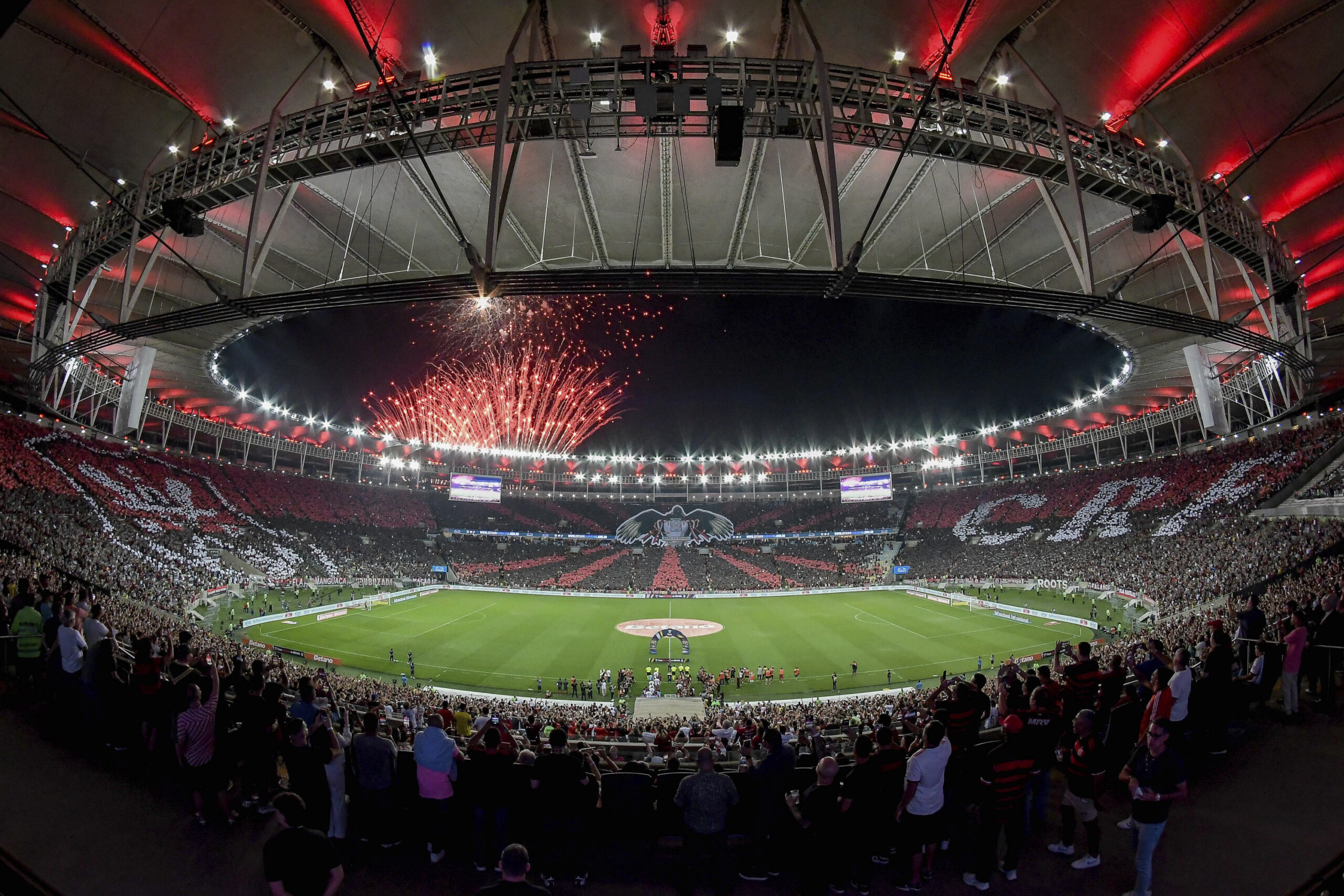
In Asia, growth stems from a different strategy. Leagues such as Japan’s J.League and South Korea’s K League are not known for multimillion-dollar investments in player transfers, but rather for a model based on financial stability, the development of youth academies and young talent. This approach has helped consolidate increasingly competitive leagues and made the region an attractive destination for football players seeking continuity, professional growth, and international exposure.
The Agency Perspective
Although each market grows in different ways, this growth does not merely represent economic improvement for the industry. It is also creating new opportunities for players, coaches, fitness professionals, player agencies, sponsors, and investors.
Football agents face the challenging task of keeping up with the fast-paced nature of modern football and deciding whether to establish a presence in these emerging markets. Strategic alliances offer critical local expertise and cultural insight, even if they require sharing the commercial value of transactions. As football becomes more global, agents must continuously strengthen their strategic capabilities and cross-cultural understanding to deliver the best opportunities for their clients.


