


.png)
Granada and Liverpool are both going through major moves off the pitch. The Spanish club is close to changing hands after a decade under Chinese ownership, while Fenway Sports Group has agreed to sell a minority stake in the English side to a group that brings together some of the world’s most prominent businesspeople.
The scale of the two deals couldn’t be more different. In Granada, what’s on the table is the sale of practically the entire club. At Liverpool, on the other hand, the current owners will keep the majority of the shares and stay in charge of the club’s main decisions.
Granada waits for the deal to close
A decade under Wuhan DDMC’s control is about to come to an end. The Chinese group is negotiating the sale of more than 98% of the club’s shares to Big League Advantage, a U.S. company founded by former baseball player Michael Schwimer.

Wuhan DDMC took over the club in 2016, buying it for roughly €37 million. Over those years, the club went through three relegations and two promotions, though it also lived through one of the best sporting stretches in its history.
With Diego Martínez as manager, the team finished seventh in LaLiga, reached the Copa del Rey semifinals, and played in European competition for the first time. In that 2020/21 Europa League run, it made it to the quarterfinals before being knocked out by Manchester United.
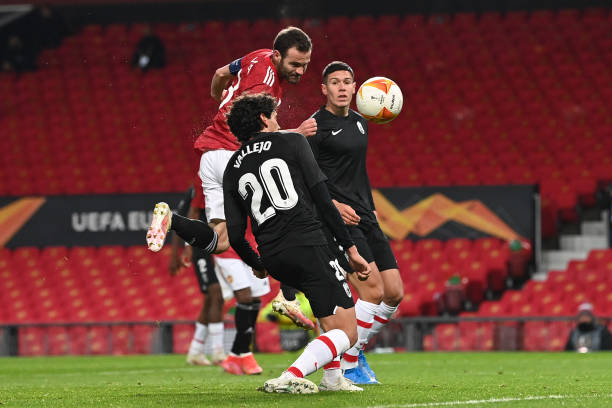
The present looks very different. The club is starting its third straight season in Spain’s second division amid financial trouble, cost-cutting and uncertainty about its future. That’s the backdrop Big League Advantage stepped into.
The company was founded in 2016 by Schwimer, who played two seasons in Major League Baseball. Its model is built around identifying promising athletes, funding them early in their careers, and taking a cut of their future earnings if they reach the top level.
Schwimer has even updated his Instagram bio to describe himself as “majority owner of Granada.” He first called himself club president, then changed the title once it became clear he wouldn’t formally hold that role.
Day-to-day operations would stay in Spain, with Ignacio Beristain as one of the key figures. The executive has experience running clubs like Estoril and Rio Ave, and spent several years working at Adidas.
What Liverpool sold, and who bought it
Here, the story looks quite different, and it’s worth breaking down exactly who sold what to whom.
Fenway Sports Group, known as FSG, has controlled Liverpool since 2010. It has now agreed to sell around 30% of its shares to 1892 Holdings, a newly formed group of investors.
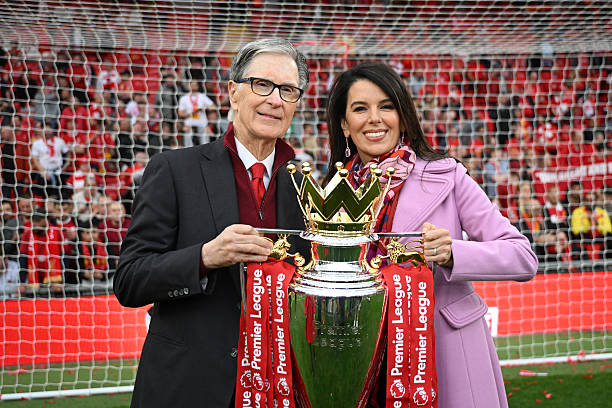
That doesn’t mean the club was sold outright. FSG will hold onto roughly 70%, remain the majority shareholder, and keep operational control.
It also wasn’t Jeff Bezos buying that 30% on his own. The Amazon founder is part of 1892 Holdings through K5 Sports, a fund where he shows up as the lead investor. Even so, Bezos will play a passive role and won’t take a seat on Liverpool’s board.
The consortium is led by British businessman Amit Bhatia and also includes investment from the Mittal family trusts and EE Capital, the family office of Elaine and Eduardo Saverin, one of Facebook’s co-founders.
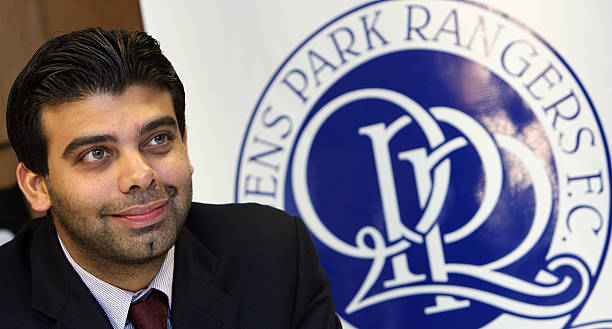
Bhatia will be the new group’s most visible face at the club. He’ll take on the role of vice-chairman and join an expanded board alongside Elaine Saverin and Bryan Baum, co-founder of K5 Global.
The roughly 30% stake is said to have sold for £1.65 billion, putting Liverpool’s total value at around £5.5 billion. That number lands differently once you consider FSG paid £300 million for the entire club back in 2010, sixteen years later, selling under a third of the club now equals more than five times that original price tag.
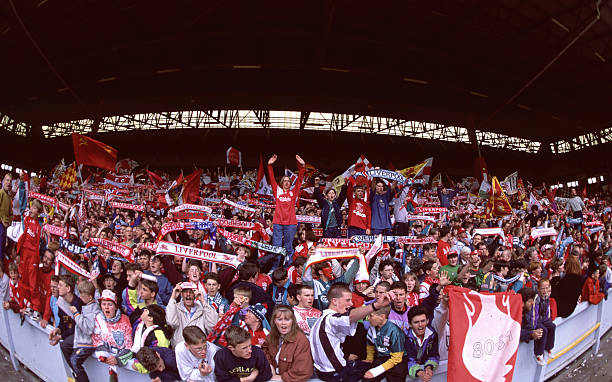
None of this means the £1.65 billion is going straight into the club’s transfer budget. It’s the price paid for a slice of the shares that belonged to FSG. Transfer spending, sporting strategy and day-to-day operations will stay under FSG’s control.
The Agency Perspective
Changes in club ownership are often discussed in terms of transaction values, but for players and agents the most important question is different: what could change within the sporting project?
Granada and Liverpool represent two very different scenarios. At Granada, the sale of almost the entire club could lead to significant changes in strategy, structure, investment and sporting objectives. At Liverpool, the arrival of new minority investors while the existing ownership retains control provides a greater degree of continuity.
From an agent’s perspective, understanding that distinction is essential. When a player is considering joining or remaining at a club, it is not enough to look at the division, salary or length of the contract. It is also important to understand who makes the decisions, the club’s financial position, the sporting project the ownership is building and the level of stability that environment can provide.
A change of ownership can create new investment and opportunities, but it can also change priorities very quickly. Recruitment leadership, budgets, coaching staff, preferred player profiles and even the club’s sporting objectives can all change.
That is why ownership structure should also form part of the analysis behind a transfer. The value of an opportunity is not only determined by what a club can offer today, but also by how likely that project is to remain coherent over the coming years.
One of the most important aspects of the change in ownership for agents is whether the shift of decision makers affects a relationship you have been building for years.


